
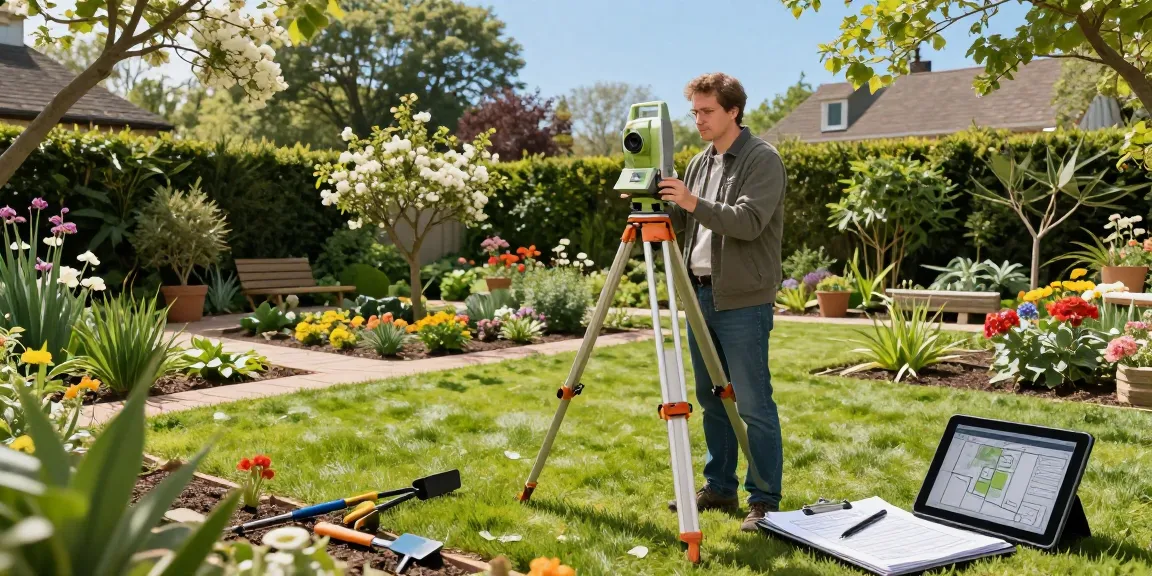
Understanding the Importance of Garden Land Surveys
When considering development or alterations to your outdoor spaces, a garden land survey is crucial. This meticulous process involves mapping the topography and features of your garden, providing essential data that informs planning and design. Whether you’re an architect, builder, or a homeowner contemplating a new landscape, understanding the specifics of your garden space is vital for achieving the desired outcomes. By conducting a thorough garden survey, stakeholders can avoid costly surprises and ensure compliance with local regulations.
To delve deeper into the implications and processes involved, explore this Garden land survey guide that provides comprehensive insights into the various facets of garden land assessment.
What is a Garden Land Survey?
A garden land survey is a detailed assessment that involves measuring and mapping the natural and artificial features of a garden. It captures vital elements such as elevation, contours, vegetation, man-made structures, and boundaries. The resulting data enables stakeholders to understand the intricacies of the site, aiding effective planning and design.
The Role of Garden Land Surveys in Planning
Garden land surveys serve as a foundational tool in the planning process for various projects. By providing a clear and precise representation of the existing conditions, these surveys help architects and planners create designs that fit harmoniously with the natural landscape. This ensures that elements like drainage, pathways, and plant placements are appropriately considered, resulting in a functional and aesthetically pleasing garden.
Who Needs a Garden Land Survey?
Various individuals and entities can benefit from a garden land survey, including:
- Homeowners planning renovations or landscaping projects.
- Real estate developers focusing on new builds.
- Architects requiring accurate site data for design.
- Landscape architects designing intricate garden layouts.
- Local authorities assessing compliance with zoning laws.
Key Equipment for Accurate Garden Land Surveys
Traditional Tools Used in Garden Surveys
Historically, garden surveys relied on tools such as theodolites, measuring tapes, and levels. Theodolites are essential for measuring horizontal and vertical angles, while measuring tapes provide straightforward distance measurements. Levels are crucial for determining elevation differences, ensuring that designs adhere to the required gradient for drainage and aesthetics.
Modern Technologies Enhancing Garden Surveys
The evolution of surveying technology has introduced innovative tools that enhance accuracy and efficiency. Key advancements include:
- GPS Surveying: Global Positioning Systems allow for rapid, precise location data collection, especially over large areas.
- 3D Laser Scanners: These devices capture vast amounts of data rapidly, creating detailed three-dimensional representations of the surveyed area.
- Drones: UAVs equipped with high-resolution cameras offer aerial views, making it easier to map difficult-to-reach areas.
Choosing the Right Equipment for Your Project
Selecting the appropriate tools depends on various factors, including the project’s scale, the terrain, and the specific data required. For small residential gardens, traditional tools may suffice, while larger or complex sites might benefit from advanced technologies. Consulting with a professional surveyor can help determine the best approach for your needs.
Benefits of Conducting a Garden Land Survey
Improving Design and Layout
Accurate data from a garden land survey allows for improved design and layout. Understanding the specific contours and features of the land enables designers to create spaces that integrate harmoniously with the existing environment, minimising disruption and enhancing aesthetic appeal.
Identifying Potential Risks and Constraints
Garden surveys play a critical role in identifying potential risks such as flooding, soil instability, and existing structures that may hinder development. By understanding these constraints early in the planning process, stakeholders can mitigate risks, ensuring the project’s success.
Ensuring Regulatory Compliance
In many regions, local authorities require surveys to ensure that developments comply with zoning and environmental regulations. A garden land survey provides the necessary documentation to support planning applications, demonstrating that projects adhere to all legal requirements.
How to Prepare for a Garden Land Survey
Gathering Necessary Documentation
Before the survey, collect any existing site documentation, including previous surveys, building plans, and property deeds. This information can provide valuable context for your surveyor and help in delivering precise results.
Communicating with Your Surveyor
Effective communication is key to a successful survey. Discuss your objectives, concerns, and specific requirements with your surveyor to ensure that the survey meets your expectations. Be open about any unique features or challenges related to your garden that may influence the survey’s focus.
Assessing Your Garden’s Unique Features
Take time to evaluate the unique aspects of your garden, such as slopes, existing vegetation, and water features. Highlighting these factors to your surveyor can enhance the accuracy and relevance of the survey outcomes.
Cost Factors and Get a Quote for Your Garden Land Survey
Understanding Pricing Structures
The cost of a garden land survey can vary significantly based on several factors, including the size of the garden, the complexity of the terrain, and the technologies used. Typically, expenses can range from a few hundred pounds for small residential gardens to several thousand for larger projects.
Estimating Costs Based on Garden Size
For budgeting purposes, here are some general estimates:
- Small gardens (up to 500 square metres): £450 – £750
- Medium gardens (500 – 1,500 square metres): £750 – £1,500
- Large gardens (over 1,500 square metres): Starting from £1,500
How to Request an Accurate Quote
When requesting a quote, provide as much detail as possible about your garden and the specific services you require. This information allows surveyors to create tailored and accurate estimates without hidden fees.
Frequently Asked Questions (FAQs)
What is involved in a garden land survey?
A garden land survey typically involves measuring land features, mapping elevations, assessing drainage needs, and identifying existing structures. The outcome is a detailed report that includes maps and data useful for planning purposes.
How do I prepare my garden for a survey?
Ensure your garden is accessible and inform your surveyor of any obstacles or features that may affect the survey, such as fences, overgrown plants, or water bodies.
What technologies are used in modern garden surveys?
Modern surveys often utilise GPS equipment, drones, and 3D laser scanners, which provide highly accurate and detailed representations of the site.
Are garden land surveys necessary for small projects?
Yes, even small projects can benefit from a garden land survey, as they provide crucial information that can prevent future issues related to design, compliance, and construction.
What are common challenges in garden land surveys?
Challenges can include difficult access, complex terrain, and the presence of vegetation or structures that may obstruct measurements. Working with experienced surveyors can help navigate these issues effectively.